

In a world where cash is becoming as rare as a unicorn sighting, P2P payment apps have swooped in like modern-day superheroes. You know, the kind that saves you from awkward moments of fumbling for change or waiting in line at the bank. Whether you’re splitting a dinner bill or sending some cash to Grandma for her birthday, these apps make sending money as easy as a couple of taps on your smartphone. But how exactly do these apps work, and why should you ditch your cash in favor of a digital wallet? Let’s jump into the wallet-friendly universe of P2P payment apps.
What Are P2P Payment Apps?
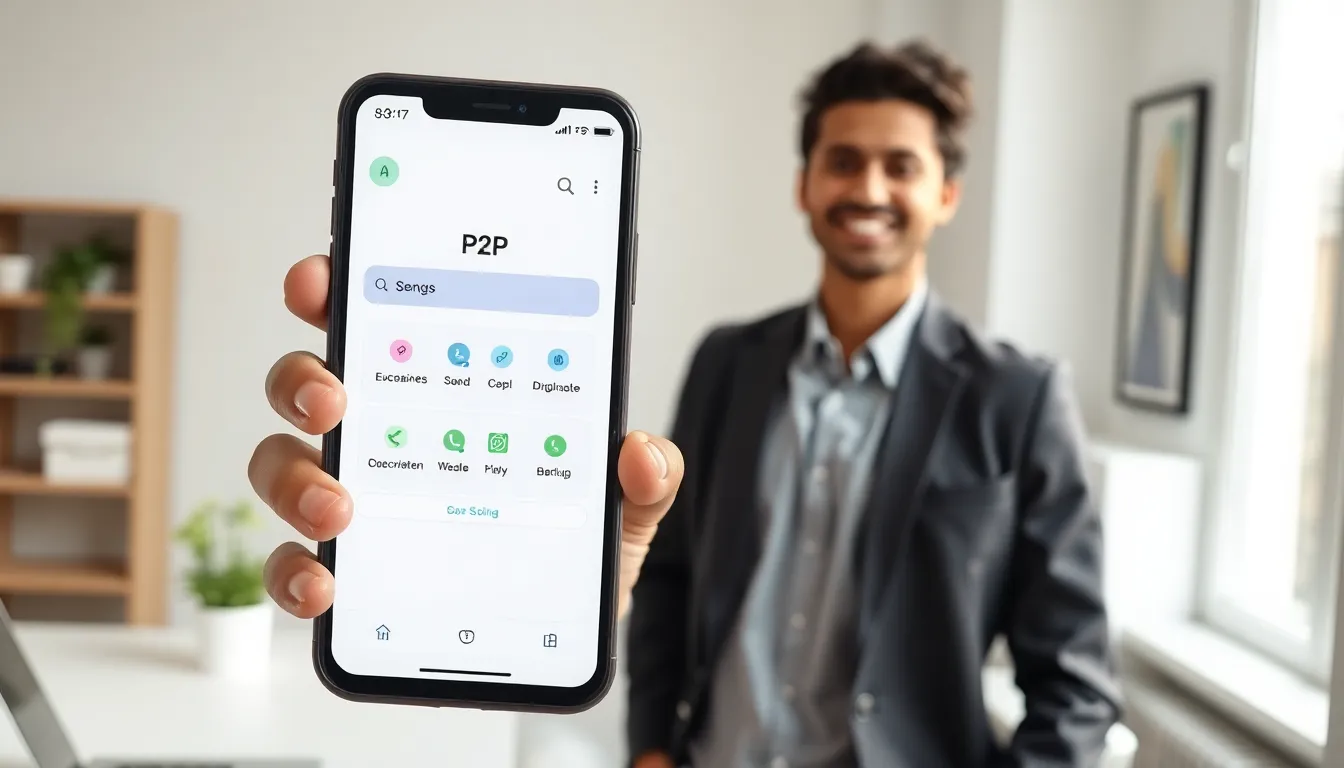
P2P payment apps, or peer-to-peer payment applications, are digital platforms that allow users to send and receive money directly between their bank accounts. They eliminate the middleman, making transactions quicker and more efficient. Imagine sending money to your friend as effortlessly as sending a text, no more checks or complicated wire transfers. Popular options include Venmo, Zelle, and Cash App. Each platform has unique features, but they all share a common goal: making transactions as seamless as possible.
How P2P Payment Apps Work
These apps operate using a straightforward process. First, users must download the app and create an account, usually requiring just an email or phone number and a bank account link. Once set up, sending money is as easy as selecting a contact, entering an amount, and hitting send.
Most apps also support instant transfers to bank accounts, although some might charge a small fee for that service. Transactions typically take seconds, allowing for a level of convenience and immediacy previously unseen in traditional banking. For extra flair, many apps even allow users to add messages, emojis, or attached photos, making the process a bit more personal.
Benefits of Using P2P Payment Apps
The benefits of P2P payment apps are numerous:
- Convenience: No more carrying cash or writing checks. If you have a smartphone, you have a wallet.
- Speed: Transactions occur in real-time, making it perfect for splitting bills or making last-minute payments.
- Cost-effective: Many apps charge little to no fees for basic transactions.
- Tracking: Users can easily track their payments and expenses through the app, providing clarity to their financial activities.
On top of that, the option to personalize transactions brings a level of fun that cash just can’t compete with.
Popular P2P Payment Apps in the Market
Let’s take a closer look at some leading P2P payment apps:
- Venmo: Known for its social feed, Venmo lets users see their friends’ transactions, a feature both loved and criticized.
- Cash App: Offers users the ability to invest, buy Bitcoin, and even receive a debit card.
- Zelle: Integrated with many banking apps, Zelle allows quick transactions directly through users’ bank accounts.
These apps have gained immense popularity, thanks to their ease of use, versatility, and social features that make money transactions feel less transactional and more leisurely.
Security Considerations for P2P Transactions
While the convenience of P2P payment apps is undeniable, security remains a crucial concern. Users should look for apps that employ robust encryption methods and offer features like two-factor authentication. Also, it’s important to practice good digital hygiene, such as regularly updating passwords and being cautious of sharing financial information.
Remember that transactions on these apps may not offer the same protections as credit card transactions. Users should so be vigilant about whom they send money to, keeping in mind that once money is sent, it may be hard to retrieve.
Future Trends in P2P Payment Technology
As technology evolves, P2P payment apps are poised for even greater growth. Expect features like:
- AI in Fraud Detection: Enhanced security measures will likely include artificial intelligence to prevent fraudulent activities before they happen.
- Increased Integration: More apps will integrate with e-commerce platforms, making online shopping a breeze.
- Global Transactions: As lower fees and enhanced security become norms, we may see an increase in cross-border transactions via these platforms.


